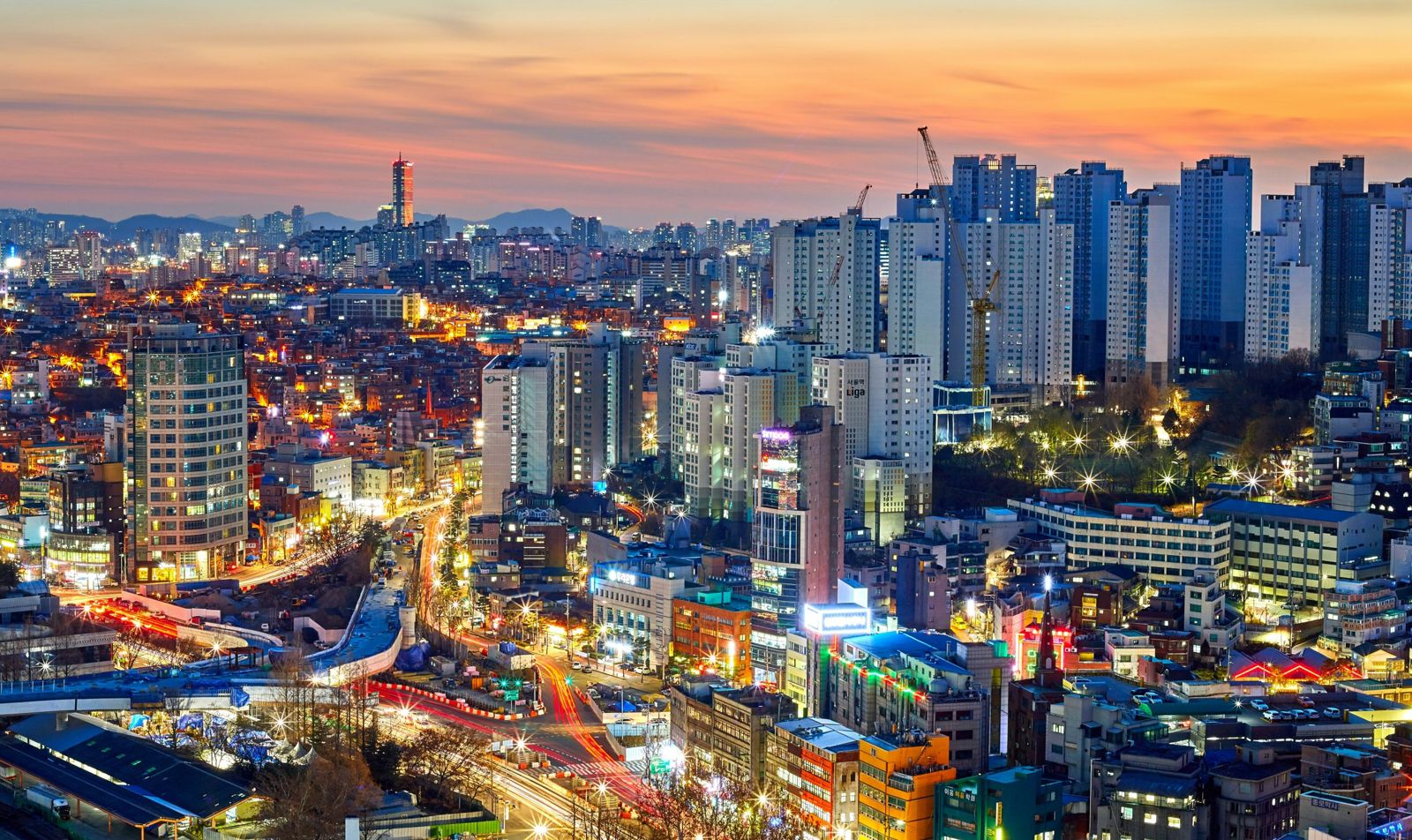
Seoul is where most K-dramas are set, but many of the scenes you remember were filmed outside the city: a fortress wall at sunset, a tree-lined island, a pier in the sea. All four places below work as a day trip. Pick one per day and don't try to combine them.
Pick your trip
Suwon
Easiest and cheapest. A fortress city about 1 hour away by subway. Good for a relaxed day.
Folk Village
For historical drama fans. A living museum of traditional houses in Yongin, used again and again as a set.
Nami Island
The classic. A car-free island about 1 hour away by train, then a short ferry.
Jumunjin
The big one. A sea pier on the east coast, about 2 hours away by fast train. A long day, and the most expensive.
Suwon: the fortress city
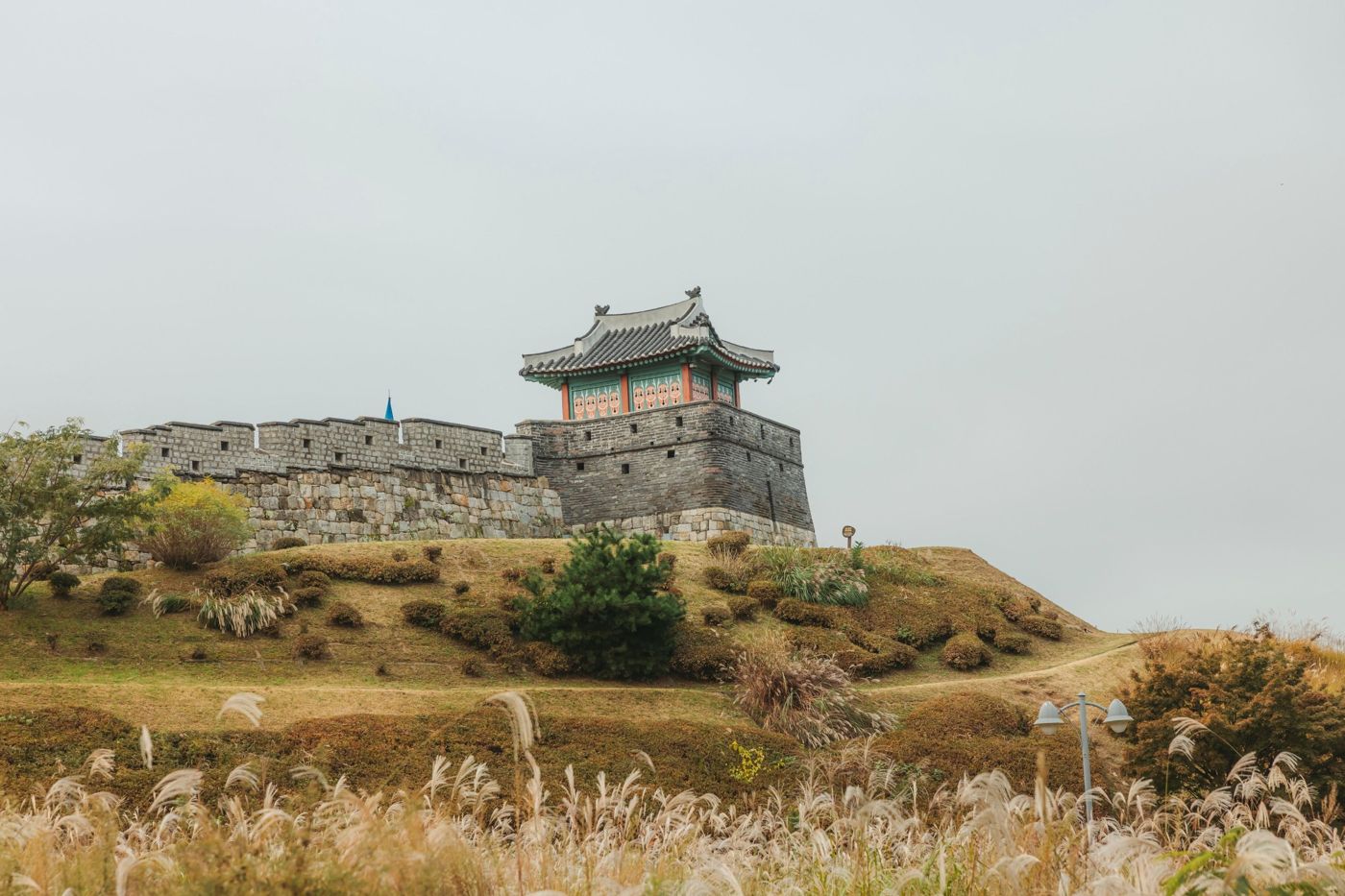
Suwon's Hwaseong Fortress is a UNESCO World Heritage Site with a long stone wall you can walk along. The fortress and the streets around it appear in dramas including Twenty-Five Twenty-One and Our Beloved Summer. The café street nearby, Haengnidan-gil, was used in Extraordinary Attorney Woo and Lovely Runner.
Part of the wall at Suwon Hwaseong Fortress. Photo: Mallesh Baithi / Pexels
Getting there: subway Line 1 from Seoul Station to Suwon Station takes about 1 hour and costs about ₩2,100. Faster trains from Seoul Station take about half an hour and cost more.
Cost: entry fees are small. The sites that charge ask for about ₩1,000 to ₩2,000 for adults.
Hours: ticketed sites generally open 9 am to 6 pm, closing an hour earlier in winter.
Tip: walk the wall late in the afternoon, then eat in Haengnidan-gil.
Korean Folk Village, Yongin
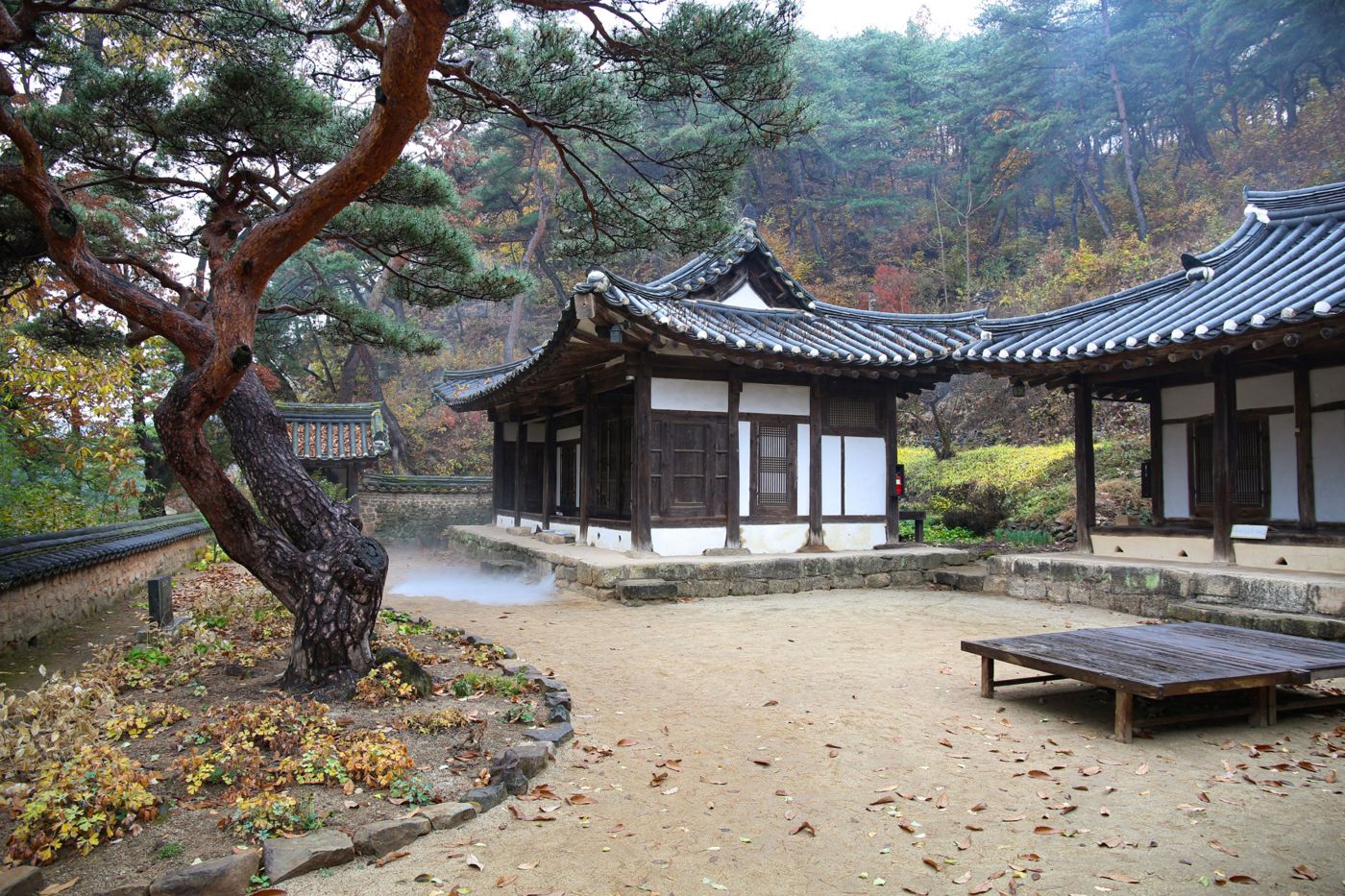
This is a large open-air museum of traditional Korean houses, with craft workshops and performances. Historical dramas have filmed here for years, including Moon Embracing the Sun, Sungkyunkwan Scandal and Kingdom.
A traditional Korean house of the kind seen in historical dramas. Photo: Daejeung / Pexels
Getting there: take the subway to Sanggal Station, leave by Exit 3 and catch local bus 37 or 10-5 to the Korean Folk Village stop. Buses also run from Suwon Station, so you can pair it with Suwon over two days.
Cost: about ₩32,000 to ₩35,000 for adults at the gate. Discounted tickets are often sold online.
Hours: usually 10 am to 6 pm. Hours change during festivals.
Nami Island
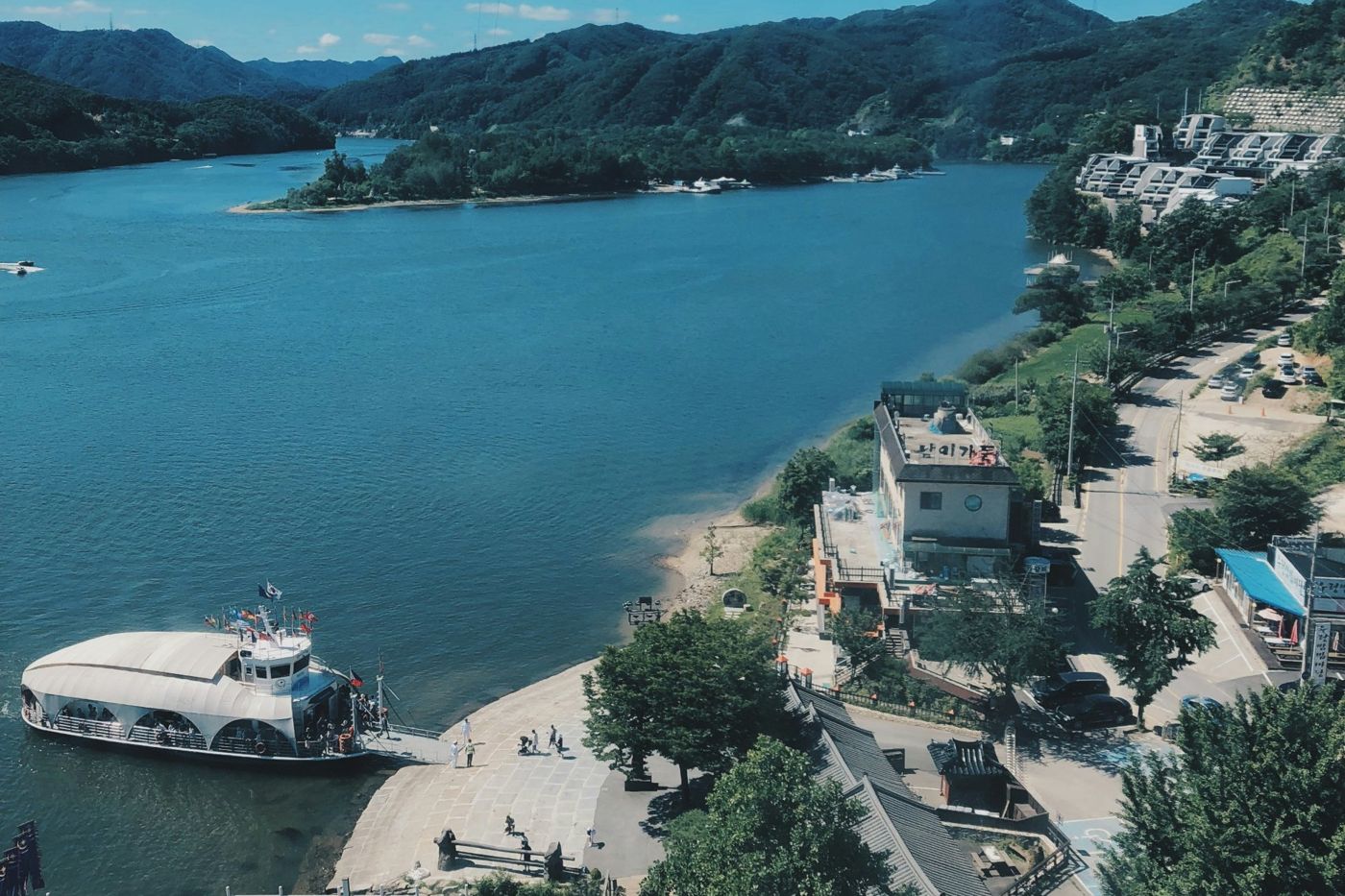
Nami Island is a small, car-free island in a river north-east of Seoul, known for its long avenues of tall trees. It became famous across Asia through the drama Winter Sonata.
The ferry wharf, with Nami Island across the water. Photo: Vivian Wong / Unsplash
Getting there: take the ITX-Cheongchun train from Yongsan or Cheongnyangni Station to Gapyeong Station, about 1 hour. From there it is about 5 minutes by taxi or local bus to the ferry wharf, then about 5 minutes by ferry.
Cost: entry was ₩19,000 for adults when we checked, and that includes the return ferry. Many older guides still show ₩16,000.
Hours: ferries run from about 8 am to 9 pm.
Tip: ITX seats are reserved, so book your train both ways. The island is busiest in autumn.
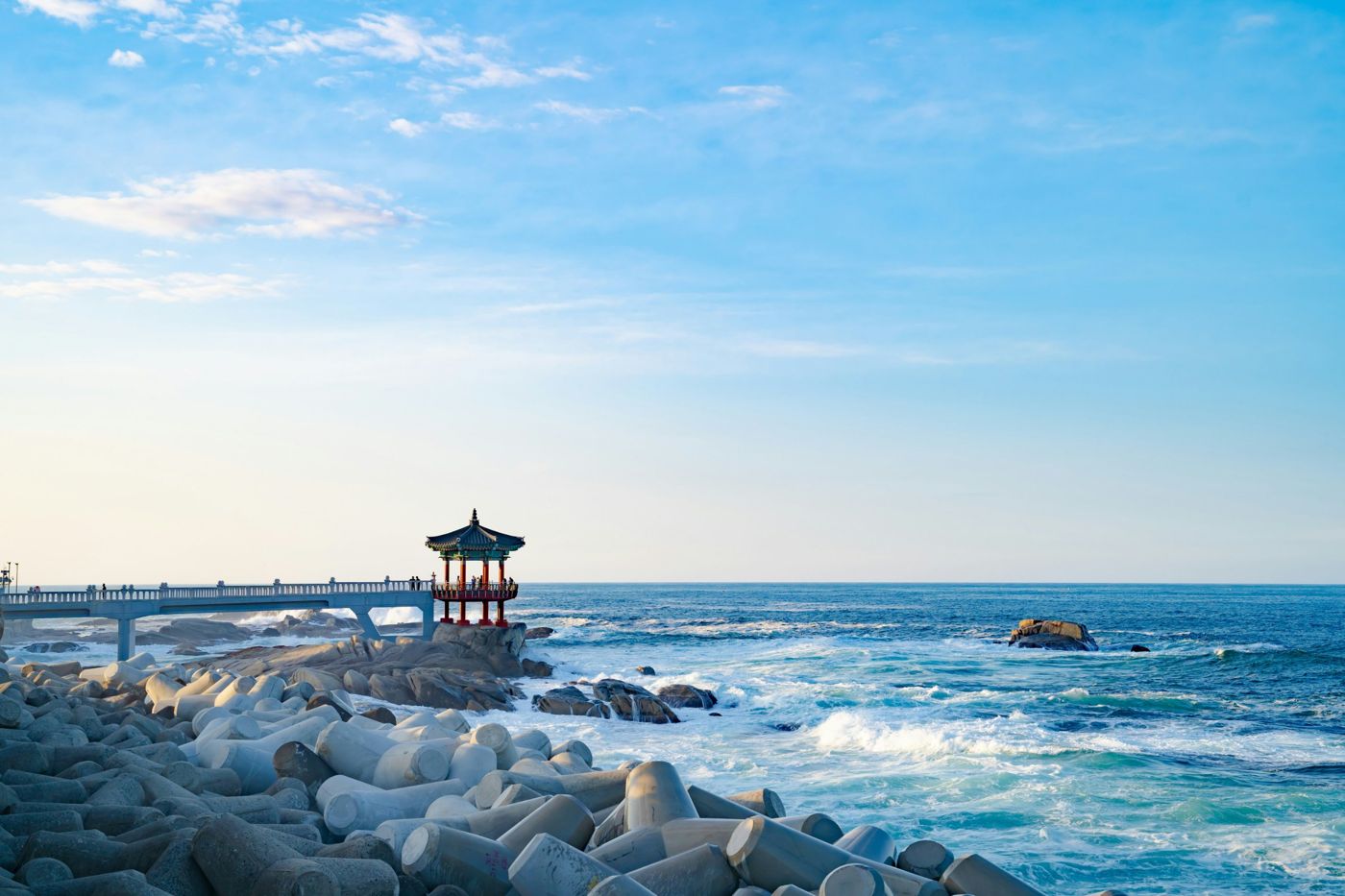
Jumunjin breakwater, Gangneung
The pier at Jumunjin, on the east coast, is where one of the best-known scenes in Goblin was filmed. It is a plain concrete breakwater with the open sea on both sides, and fans still queue to take the same photo.
A seaside pavilion on Korea's east coast. Photo: Unsplash
Getting there: the KTX fast train from Seoul Station to Gangneung takes about 2 hours and costs about ₩27,600 each way. From Gangneung Station, take a taxi or local bus 300 to Jumunjin.
Cost: the breakwater itself is free. The train is the main cost, at about ₩55,000 return.
Tip: book KTX tickets in advance, and take an early train so you have a full day by the sea.
Safety: the pier is open to the waves. Stay off it in rough weather.
Before you leave Seoul: Bukchon
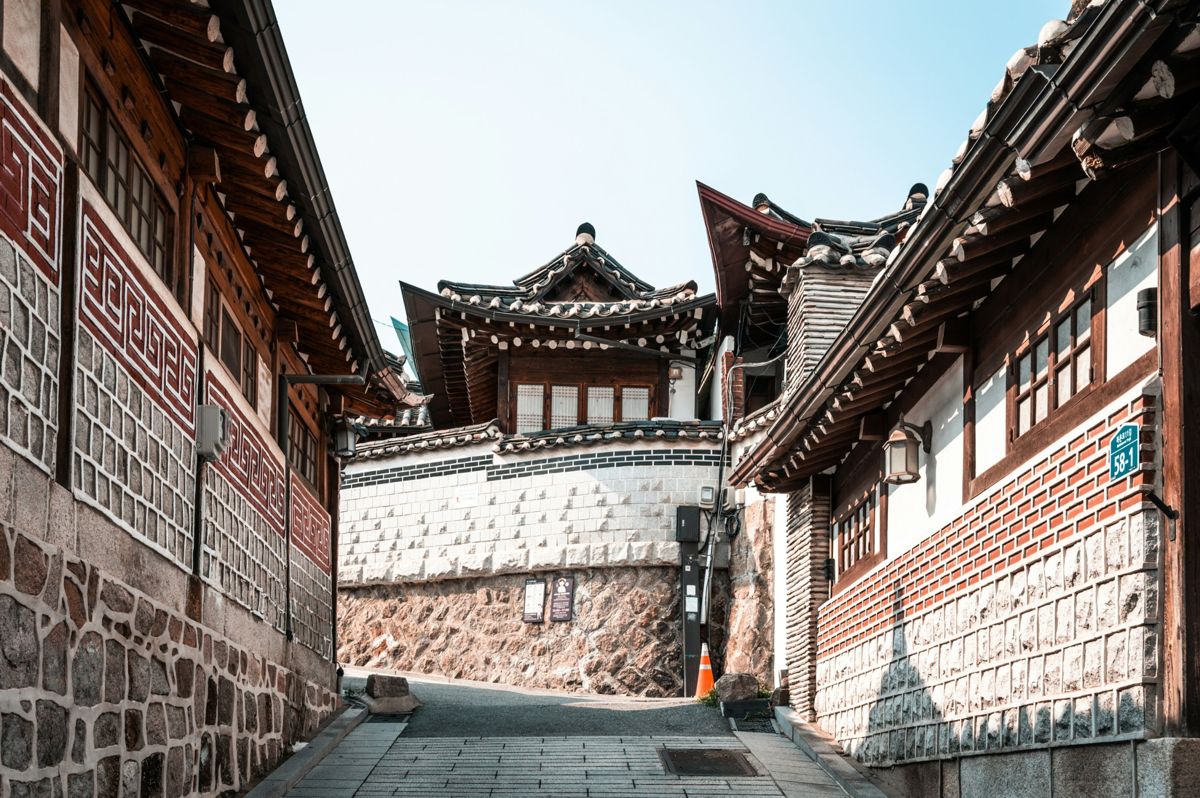
Bukchon Hanok Village, in the middle of Seoul, is a neighbourhood of traditional houses that many dramas use for street scenes. It needs no day trip, but it does have rules.
A lane in Bukchon Hanok Village. Photo: Zequn Gui / Unsplash
Visiting hours: tourists may enter the busiest lanes, the “red zone” around Bukchon-ro 11-gil, only between 10 am and 5 pm.
The fine: entering as a tourist outside those hours can cost ₩100,000. This has been enforced since March 2025.
Why: people live in these houses. Keep your voice down and don't photograph into homes.
Budget tips
Start with Suwon. Subway fare plus a small entry fee makes it by far the cheapest trip here.
Carry a T-money card. This rechargeable card works on subways and buses across the country, including the local buses on these trips.
Check before relying on a Climate Card. Seoul's short-term tourist pass costs ₩5,000 for one day of unlimited rides, but it is built for travel inside Seoul. It does not cover ITX or KTX trains, and it may not cover every stop outside the city.
Book fast trains early. ITX and KTX seats sell out at weekends and in autumn.
Where to stay
Stay in Seoul and travel out each day. For these trips it helps to be near Seoul Station, which has Line 1 to Suwon and the KTX to Gangneung, or near Yongsan or Cheongnyangni for the train to Nami Island.
We'll add hand-picked places to stay here soon. Some links on this site are affiliate links: we may earn a small commission at no extra cost to you. Learn more.
Travel with respect
Filming locations are real places. Cafés, restaurants and homes used in dramas are someone's business or front door. Buy something if you go in, and don't block the entrance for photos.
Wait your turn at photo spots. At Jumunjin and on Nami Island, take your photo and move on so others can have theirs.
Leave the priority seats free on subways and trains.
Take your rubbish with you when there is no bin.
Sources we checked
Checked in November 2026. Please confirm hours and prices with the official source before you travel.